Category: Entertainment

Local Artists to Watch in Boise: A Guide to the City’s Creative Scene

Local Artists to Watch in Boise: A Guide to the City’s Creative Scene

Boise’s creative energy has been quietly building for years, but lately, it feels impossible to ignore. Every time I walk through a neighborhood gallery, attend a small live show, or browse a local market, I’m reminded that Boise’s art scene isn’t just growing—it’s maturing with confidence. The city has reached a point where local artists aren’t simply participating in culture; they’re actively shaping it.

What makes Boise special isn’t flashy trends or mass exposure. It’s the sense of authenticity. Artists here are deeply connected to place, community, and process. In this guide, I’ll walk through the types of local artists redefining Boise’s creative identity, where to discover their work, and why this moment matters for the city’s cultural future.

Why Boise’s Creative Scene Feels Different Right Now

Boise’s art culture has always existed, but in recent years, it’s become more visible and collaborative. I’ve noticed fewer barriers between artists and audiences, and more shared spaces where ideas move freely.

Several factors are driving this shift:

  • Affordable creative spaces compared to larger cities
  • Strong community support for local makers
  • Cross-disciplinary collaboration between artists, musicians, and designers
  • A growing appreciation for locally rooted creative work

Instead of chasing national recognition, many Boise artists are focused on building something sustainable at home—and that approach is paying off.

Visual Artists Defining Boise’s Aesthetic

Painters and Mixed Media Creators

Boise’s painters often draw inspiration from landscape, memory, and personal narrative. What stands out to me is how varied the styles are. You’ll find:

  • Abstract work exploring emotion and movement
  • Realist pieces rooted in everyday life
  • Experimental mixed media blending found objects with traditional paint

These artists aren’t trying to replicate trends from larger art capitals. They’re developing visual languages that reflect life in the region—quiet, intentional, and layered.

Muralists and Public Artists

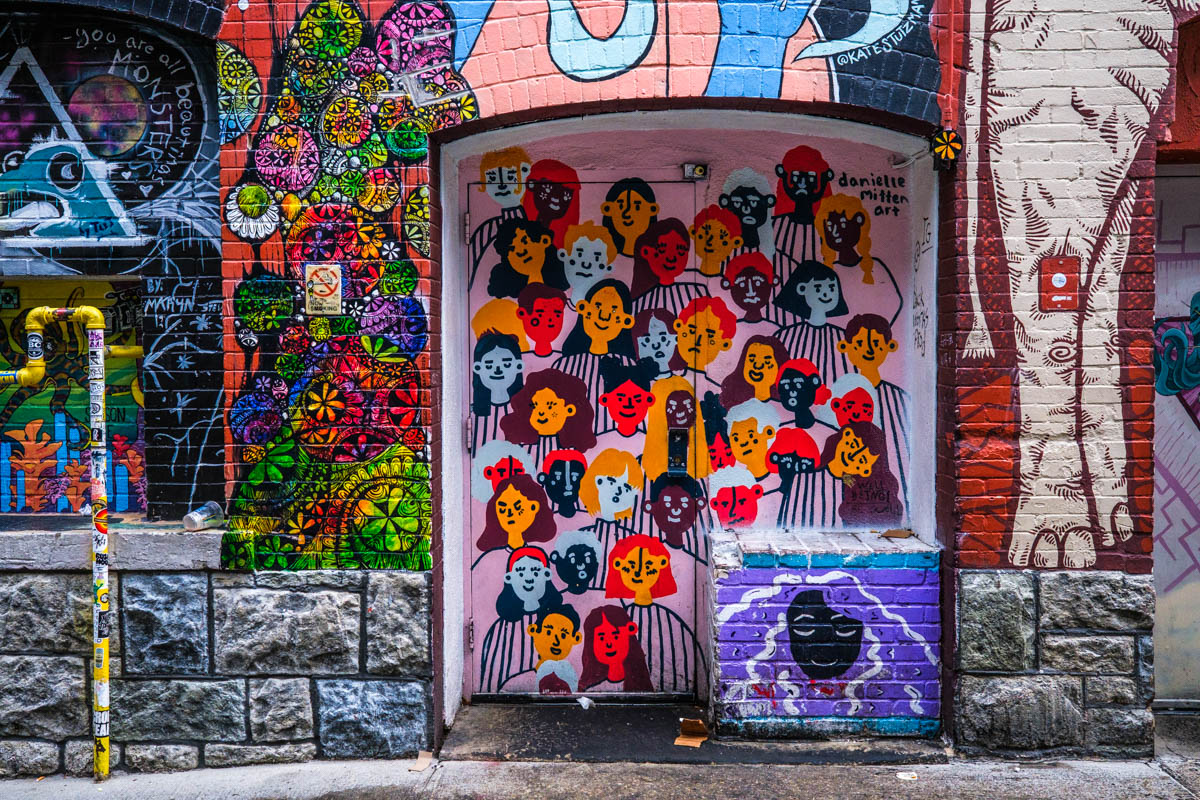
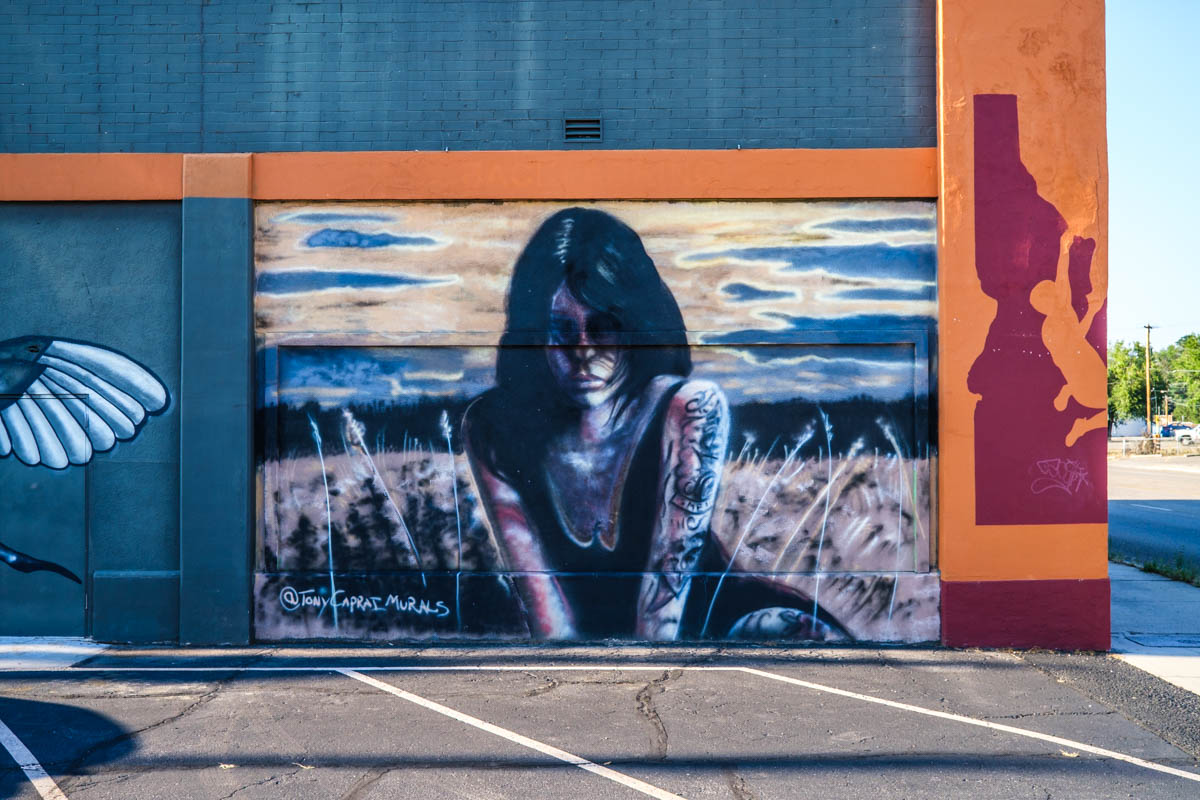
Public art has become one of Boise’s most exciting creative outlets. Murals are no longer just decorative; they tell stories.

Local muralists often:

  • Collaborate with neighborhood groups
  • Reflect local history or social themes
  • Transform overlooked spaces into shared landmarks

This shift toward accessible art makes creativity feel woven into daily life rather than confined to galleries.

Boise’s Independent Music Creators

Songwriters and Indie Musicians

Boise’s music scene thrives on intimacy. I’ve attended shows where artists perform just feet away from their audience, creating an immediate sense of connection.

Local musicians often explore:

  • Folk and acoustic storytelling
  • Indie rock with experimental edges
  • Genre-blending that defies labels

Rather than chasing commercial polish, many artists prioritize honest expression and live performance energy.
Suburban Apologist

Producers and Sound Experimenters

Behind the scenes, Boise is home to producers and sound designers pushing boundaries in subtle but impactful ways. Small home studios and collaborative recording spaces allow artists to experiment without pressure.

This environment encourages:

  • Creative risk-taking
  • Cross-genre collaboration
  • A strong DIY ethic

The result is music that feels personal and grounded.

Writers and Literary Voices Gaining Momentum

Boise’s literary scene doesn’t always get the attention it deserves, but it’s thriving.

Local writers are:

  • Publishing independent zines and chapbooks
  • Hosting open mic readings and workshops
  • Exploring themes of identity, place, and change

What I admire most is the sense of mutual support. Writers show up for each other, share platforms, and build community rather than competition.

Makers, Designers, and Craft Artists

Functional Art and Handmade Design

From ceramics to textiles, Boise’s makers blur the line between art and utility. Many local creators focus on:

  • Handcrafted goods with sustainable materials
  • Functional objects that carry personal stories
  • Small-batch production rooted in care

Markets and pop-up events make these works accessible while reinforcing the value of handmade craftsmanship.

Fashion and Wearable Art

Independent fashion designers in Boise are also gaining attention. Instead of mass production, they focus on:

  • Ethical sourcing
  • Custom or limited-run designs
  • Wearable pieces that express individuality

This approach aligns perfectly with the city’s broader creative ethos.

Where to Discover Local Artists in Boise

Finding Boise’s creative talent doesn’t require insider knowledge—it just requires curiosity.

Some of the best places to explore include:

  • Independent galleries and cooperative art spaces
  • Community art walks and open studio events
  • Small music venues and DIY shows
  • Local markets and maker fairs

What I’ve learned is that showing up consistently matters. The more you attend, the more connections form naturally.

How Collaboration Is Shaping the Scene

One of the most exciting trends I’ve observed is how collaborative Boise’s artists are becoming.

Artists frequently:

  • Share studio spaces
  • Co-host exhibitions and events
  • Collaborate across disciplines

This collective mindset strengthens the scene as a whole and reduces the isolation many creatives feel elsewhere.

The philosophy aligns closely with ideas discussed by platforms like Suburban Apologist, which explore how creative communities thrive when they prioritize local identity and shared growth over constant expansion.

Why Boise Artists Are Worth Watching Now

Boise artists aren’t waiting for permission or validation. They’re building careers and communities on their own terms.

What makes them worth watching:

  • Strong connection to place
  • Willingness to experiment
  • Emphasis on community over competition
  • Sustainable creative practices

This combination creates work that feels genuine rather than performative.

Supporting Local Artists the Right Way

If you want to support Boise’s creative community, small actions make a big difference:

  • Attend shows and exhibitions
  • Purchase art directly from creators
  • Share their work with intention
  • Respect the time and labor behind creative work

Support isn’t just financial—it’s relational.

FAQs

1. What kind of art is Boise best known for

Boise is known for community-driven visual art, indie music, and handcrafted design rooted in local identity.

2. Are Boise artists gaining national attention

Some are, but many prioritize building sustainable local careers before seeking wider exposure.

3. Is Boise a good city for emerging artists

Yes. Lower costs, strong community support, and collaborative spaces make it welcoming for creatives.

4. How can newcomers connect with the art scene

Attending local events, volunteering, and engaging with artist-run spaces are great starting points.

5. Are there opportunities for collaboration

Absolutely. Collaboration is one of the defining features of Boise’s creative culture.

6. Does Boise support experimental or nontraditional art

Yes. The city’s independent spaces often encourage experimentation and creative risk-taking.

Final Thoughts on Boise’s Creative Future

Boise’s creative scene isn’t loud, but it’s deeply intentional. What excites me most is how grounded it feels—artists here aren’t chasing trends; they’re telling stories that matter to them and their communities.

The local artists shaping Boise today are laying the foundation for a creative future built on collaboration, authenticity, and shared purpose. Whether you’re a longtime resident or a curious visitor, paying attention to these voices now means witnessing a cultural moment in the making.

And honestly, that’s the best time to watch any art scene grow.

What Analysts Are Watching in Global Affairs This Year

What Analysts Are Watching in Global Affairs This Year

Global affairs this year are shaped by uncertainty, rapid change, and overlapping crises. Analysts are not focused on a single headline issue. Instead, they are tracking how political, economic, and social forces interact across regions. Power dynamics are shifting, alliances are adapting, and long-standing assumptions are being questioned.

Understanding what analysts are watching helps explain why global developments feel more complex and interconnected than ever.

Shifting Power Dynamics Among Major Nations

One of the biggest areas of attention is how power is being redistributed globally. No single country dominates decision-making across all regions.

Analysts are closely observing:

  • Competition among major powers
    • Reduced influence of traditional global leaders
    • Increased assertiveness from regional players

This shift affects diplomacy, security planning, and global cooperation.

Critical Times News

Geopolitical Fragmentation

The world is becoming more fragmented politically. Countries are prioritizing national interests over global consensus.

Key indicators include:

  • Weaker multilateral cooperation
    • Competing political blocs
    • Selective partnerships instead of universal alliances

Fragmentation increases uncertainty and complicates collective responses to global challenges.

Ongoing Regional Conflicts

Regional conflicts remain a major concern because of their wider implications. Even localized disputes can affect global markets and diplomatic relations.

Analysts are watching:

  • Escalation risks
    • Spillover effects into neighboring regions
    • Involvement of external powers

Unresolved conflicts continue to strain international stability.

Economic Pressure and Policy Shifts

Economic conditions are closely tied to global affairs. Inflation management, interest rates, and government spending decisions influence political stability.

Areas of focus include:

  • Central bank policy direction
    • Public debt sustainability
    • Economic inequality

Economic stress often amplifies political tension and social unrest.

Global Trade Realignments

Trade patterns are changing as countries rethink supply chains and economic dependencies.

Analysts monitor:

  • Supply chain diversification
    • Trade restrictions and controls
    • Strategic resource access

Trade decisions increasingly reflect geopolitical priorities rather than efficiency alone.

Technology and Global Competition

Technology remains a key battleground in global affairs. Control over advanced technology affects economic strength and national security.

Important developments include:

  • Regulation of digital platforms
    • Competition in artificial intelligence
    • Data governance policies

Technology policy is now deeply embedded in geopolitical strategy.

Cybersecurity and Digital Threats

Cyber threats are no longer viewed as isolated incidents. They are part of broader strategic competition.

Analysts are tracking:

  • Attacks on critical infrastructure
    • Disinformation campaigns
    • Government responses to cyber incidents

Digital security has become a core component of national defense.

Energy Security and Resource Politics

Energy remains central to global affairs. Supply disruptions or policy changes can reshape international relationships.

Key concerns include:

  • Energy supply diversification
    • Strategic reserves
    • Transition to alternative energy sources

Energy decisions influence diplomacy, trade, and domestic stability.

Climate Related Risks

Climate issues are increasingly analyzed through a geopolitical lens. Environmental stress can intensify existing tensions.

Analysts focus on:

  • Climate-driven migration
    • Resource scarcity
    • Disaster response capacity

Climate impacts often act as pressure multipliers rather than direct causes of conflict.

Political Stability and Governance

Internal political stability is closely watched because it affects a country’s global role.

Key indicators include:

  • Public trust in institutions
    • Election outcomes
    • Policy continuity

Domestic instability can quickly become an international concern.

Role of Emerging Powers

Emerging powers are playing a larger role in shaping global affairs. Their policy choices influence regional balance and global norms.

Analysts observe:

  • Diplomatic positioning
    • Defense spending trends
    • Economic partnerships

These countries often act as swing players in global decision-making.

Information Flow and Narrative Control

Control over information shapes public perception and policy debate. Analysts study how narratives are formed and spread.

Important factors include:

  • Media independence
    • Misinformation trends
    • Public trust in information sources

Many analysts rely on independent platforms like Critical Times News to follow global developments with broader context and analytical depth rather than relying only on official statements.

International Institutions Under Strain

Global institutions face challenges adapting to modern threats. Analysts are watching whether these bodies can remain effective.

Key issues include:

  • Decision-making speed
    • Representation and legitimacy
    • Reform efforts

Institutional effectiveness affects global cooperation.

Defense Spending and Strategic Planning

Defense budgets reveal how governments perceive risk. Analysts compare spending trends to understand shifting priorities.

Focus areas include:

  • Modernization programs
    • Cyber and space capabilities
    • Regional security commitments

Spending choices often signal long-term strategic intent.

Diplomatic Engagement Patterns

Diplomacy is evolving. Informal talks, regional forums, and back-channel communication are increasingly important.

Analysts track:

  • Frequency of high-level meetings
    • Diplomatic outreach patterns
    • Crisis management efforts

Diplomatic signals often precede policy shifts.

Public Opinion and Global Policy

Public sentiment influences foreign policy decisions more than ever. Leaders must balance international goals with domestic expectations.

Analysts study:

  • Opinion polls
    • Social movements
    • Media influence

Public pressure can reshape diplomatic priorities.

Why Analysts Are Watching So Closely

The pace of change in global affairs leaves little room for complacency. Small developments can have outsized effects.

Analysts emphasize:

  • Interconnected risks
    • Rapid information flow
    • Limited margin for error

Close monitoring helps anticipate change rather than react to it.

Questions People Often Ask

1. Why does global affairs feel more unstable

Because power is shifting and cooperation is harder to achieve.

2. Are regional conflicts becoming more dangerous

They carry greater global impact due to interconnected economies and alliances.

3. Why is technology so important in geopolitics

It affects security, economic strength, and information control.

4. Do emerging powers really matter

Yes, they increasingly influence global outcomes and regional balance.

5. Can international cooperation still work

It can, but it requires adaptation and political will.

Wrapping Things Up

Analysts watching global affairs this year see a world defined by complexity rather than clarity. Political shifts, economic pressures, technological competition, and environmental challenges are all intertwined.

Understanding these dynamics helps explain why global developments rarely follow simple patterns. As conditions continue to evolve, informed analysis and context-driven insight remain essential for making sense of the global landscape.

Closer Creator Relationships Built Through Exclusive Fan Access Systems

Building meaningful connections between creators and supporters is becoming increasingly important for engagement. Fans now seek more than casual updates, looking for moments that feel personal and memorable. Subtle interactions, private previews, and behind-the-scenes updates inspired by Arkansas Secrets enhance the feeling of inclusion, encouraging loyalty naturally.

Intimate Fan Engagement Strategies

Direct engagement allows creators to understand supporters better and tailor content specifically. Sharing limited previews creates anticipation while encouraging interaction without overwhelming followers. Authentic responses to messages establish credibility and respect, forming meaningful connections over time. Subtle personalization ensures each supporter feels noticed, increasing emotional investment gradually.

Special Access Events

Organizing unique sessions offers fans a rare glimpse into creators’ routines and projects. These opportunities deepen appreciation while providing memorable moments that standard updates cannot achieve. Fans feel valued when granted participation in discussions and decision-making processes. Such events enhance loyalty while building anticipation for future sessions.

  • Hosting small group discussions strengthens supporter involvement significantly
  • Behind-the-scenes tours create memorable engagement moments with followers
  • Live Q&A sessions provide direct interaction between creator and supporter
  • Limited-time workshops increase fans’ sense of exclusivity and value
  • Private sneak previews help retain continuous attention and trust

Exclusive Community Benefits

digital content creation blender

Supporters often appreciate access to privileges that make them feel part of an inner circle. Offering special recognition or insider information reinforces their importance without appearing transactional. Rewards tailored to engagement levels encourage consistent participation naturally. Transparent guidelines maintain fairness while motivating ongoing loyalty.

Direct Creator-Fan Feedback

Creators can gather opinions through surveys or casual prompts to improve content relevance. This interaction shows supporters that their thoughts genuinely matter while guiding future decisions. Prompt attention to feedback reinforces trust while increasing fans’ emotional connection. Consistent response patterns signal reliability, enhancing the long-term relationship substantially.

  • Collecting opinions regularly builds stronger trust and cooperation
  • Prompt responses indicate that fan input is highly valued
  • Feedback sessions foster mutual respect between creator and supporter
  • Adjusting content based on suggestions shows responsiveness and care
  • Engaging discussions improve loyalty while enhancing overall follower satisfaction

Sustainable Engagement Methods

Scheduling updates strategically prevents fatigue while keeping anticipation alive. Consistent interaction patterns help supporters feel secure while encouraging continued participation. Subtle integration of Arkansas Secrets ensures fans remain invested without overwhelming them unnecessarily.

Engaging fans requires thoughtful strategies that combine attention, trust, and opportunity. Understanding supporters’ expectations while offering tangible privileges strengthens bonds continuously. Applying methods such as small group sessions, recognition programs, and feedback loops allows creators to foster reliable and lasting relationships.

FAQ

What approaches help creators strengthen fan bonds effectively?

Offering special access sessions encourages deeper connection and trust naturally.

How can creators maintain consistent supporter engagement long-term?

Regular updates and recognition programs promote ongoing participation consistently.

Why is private access important for building meaningful relationships?

It provides fans with unique opportunities that create emotional attachment.

The Evolution of Streaming: How Technology is Shaping Entertainment

Streaming has revolutionized the way we consume entertainment. In the past two decades, the shift from traditional media—like cable TV and DVDs—to digital streaming platforms has changed everything. Today, millions of people around the world stream movies, TV shows, sports, music, and even live events at the touch of a button. As technology continues to advance, the streaming industry is rapidly evolving, offering more options, better quality, and personalized experiences.

The Rise of Streaming Platforms

The early 2000s marked the beginning of the streaming revolution, with services like Netflix leading the charge. Initially, Netflix offered a DVD rental service, but by 2007, it transitioned to streaming, forever changing how people watched television. This shift was incredibly successful, as it provided consumers with on-demand access to a vast library of content, all without the need for a cable subscription.

In the years that followed, other platforms like Hulu, Amazon Prime Video, and Disney+ emerged, offering a diverse range of content, including original programming. The introduction of these services marked a pivotal moment in the entertainment industry, where content consumption became more flexible and accessible. Streaming provided the convenience of watching content anytime, anywhere, and it soon became the preferred way to consume entertainment for millions of people worldwide.

Impact of Technology on Streaming

Digital Payment

The success of streaming platforms can largely be attributed to advancements in technology. High-speed internet access has become more widespread, allowing users to stream content in high-definition (HD) and 4K quality. Additionally, streaming technology has improved, enabling faster load times, better buffering, and a smoother overall experience.

The availability of smart devices, such as smart TVs, streaming sticks, and smartphones, has also contributed to the growth of streaming. With these devices, users can stream content on their televisions, computers, or mobile devices without the need for a traditional cable setup. The convenience of being able to switch between devices and access content from virtually anywhere has made streaming the go-to choice for entertainment.

Personalization and User Experience

One of the most significant advancements in streaming is the ability to personalize content. Streaming platforms like Netflix and Spotify use algorithms to recommend content based on users’ viewing or listening history. This personalization feature not only helps users discover new content but also enhances the overall experience by making it easier to find shows, movies, and music that align with their interests.

For example, Netflix’s recommendation algorithm analyzes data on the types of movies or TV shows you watch, how long you watch them, and your ratings. Based on this data, it suggests titles that you may enjoy, giving you a more curated and engaging experience. Similarly, platforms like Spotify use similar technology to recommend music tailored to your tastes.

However, while personalization is a significant advantage, it’s also raised concerns about data privacy and user tracking. Platforms that gather large amounts of data on users’ behaviors, including their viewing habits and preferences, must ensure they handle this information responsibly and transparently.

The Role of Data Analytics in Streaming Services

As streaming services become more data-driven, companies are increasingly relying on analytics to optimize their content offerings and improve user engagement. With the massive amounts of data generated by users, platforms can gain insights into viewing patterns, popular genres, and content preferences.

This is where companies like StreamAnalyst come in. They provide powerful data analytics tools that help streaming platforms optimize content distribution, improve recommendation algorithms, and better understand their audience’s behavior. By analyzing patterns in viewing data, companies can make more informed decisions about which content to produce or acquire, ensuring they deliver what their subscribers want.

Furthermore, StreamAnalyst helps streaming platforms optimize their streaming performance by offering real-time data on bandwidth usage, load times, and streaming quality. This ensures that viewers enjoy a seamless and high-quality experience, even during peak usage times or in regions with lower internet speeds.

The Future of Streaming: What’s Next?

As technology continues to advance, the future of streaming looks incredibly promising. One of the most exciting developments is the rise of live streaming, where users can watch live events, such as concerts, sports games, and video game streams, in real time. Platforms like Twitch have popularized live streaming, allowing viewers to interact with content creators and participate in live broadcasts.

Furthermore, the future of streaming will likely involve more immersive experiences, such as virtual reality (VR) and augmented reality (AR). With VR headsets becoming more accessible, it’s possible that streaming platforms will offer fully immersive, 360-degree content, such as live concerts or sports events, allowing viewers to feel as though they are physically present at the event.

As streaming platforms continue to invest in original content, they will also push the boundaries of content creation. We may see more high-budget, cinematic shows and movies that rival those produced by traditional studios, all available directly through streaming services. The competition between streaming platforms will also likely intensify, resulting in even more diverse and high-quality content options for consumers.

Conclusion

Streaming has fundamentally changed how we consume entertainment, offering unparalleled convenience, flexibility, and personalization. With technological advancements in streaming quality, data analytics, and content curation, the streaming industry is poised for continued growth. Services like StreamAnalyst play a crucial role in helping platforms optimize their content offerings and ensure a top-notch user experience.

As the industry evolves, it will continue to adapt to emerging technologies, such as VR and live streaming, providing consumers with even more ways to enjoy content. The future of streaming is bright, and with its rapid advancements, it’s clear that this is just the beginning of a new era in entertainment.

The Power of Black and White Photography: Turning Simplicity Into Emotional Storytelling

The Power of Black and White Photography: Turning Simplicity Into Emotional Storytelling

Black and white photography remains one of the most timeless and expressive forms of visual art. Even in a world overflowing with high-resolution color images, vibrant editing styles, and digital filters, monochrome photography continues to hold a special place in the hearts of photographers and viewers alike. Why? Because stripping away color reveals something deeper. It shifts the viewer’s attention to emotion, composition, contrast, texture, and storytelling.

Many professionals and creative studios — including the talented team at Noan Photography — appreciate black and white work because it distills a moment to its purest form. Without the distraction of color, the viewer focuses on the essential elements that make an image powerful.

Why Black and White Photography Endures

Unlike trends that rise and fade, black and white photography remains relevant because it is rooted in human emotion and visual simplicity.

Here’s why it continues to captivate artists and audiences:

1. Emotional Intensity

Monochrome images often feel more dramatic and expressive. The absence of color enhances:

  • Melancholy
  • Nostalgia
  • Strength
  • Vulnerability
  • Contemplation

It connects the viewer to the subject’s emotion more directly.

Noan Photography

2. Timelessness

Black and white images rarely feel outdated. They transcend eras, giving portraits, landscapes, and street scenes a classic and enduring quality.

3. Focus on Composition

Without color, the strength of the image relies entirely on:

  • Shapes
  • Lines
  • Angles
  • Symmetry
  • Negative space

This makes composition even more important and often more intentional.

4. Mastery of Light and Shadow

Black and white photos emphasize contrast and tonal range, turning light into the main storyteller. Good lighting becomes even more critical.

5. Simplification of Busy Scenes

Removing color can declutter chaotic environments, making the message clearer and more direct.

Understanding the Role of Light in Black and White Photography

Light is the language of black and white photography. It defines structure, mood, and depth.

1. High Contrast Lighting

High contrast scenes create bold and dramatic images. Think:

  • Sharp shadows
  • Bright highlights
  • Strong silhouettes

This style is ideal for street photography and architectural compositions.

2. Soft Lighting

Soft light produces gentle transitions between tones. Cloudy days or shaded areas work beautifully for portraits and nature scenes.

3. Backlighting

Backlighting creates glowing edges and ethereal moods. It’s excellent for emotional storytelling.

4. Side Lighting

Side lighting highlights texture and depth, making it perfect for:

  • Portraits
  • Still life
  • Cityscapes

Understanding how light interacts with the subject is essential for compelling monochrome photography.

Tonal Range: The Secret Ingredient

A great black and white image relies on a rich tonal range — from deep blacks to bright whites and everything in between. This range adds:

  • Dimension
  • Drama
  • Realism
  • Visual interest

Photographers must expose carefully to preserve detail in both shadows and highlights.

Choosing the Right Subjects for Black and White Photography

While almost anything can be photographed in black and white, certain subjects shine especially well.

1. Portraits

Monochrome portraits emphasize:

  • Facial expressions
  • Wrinkles and texture
  • Emotion
  • Mood

They often feel more intimate.

2. Street Photography

Black and white removes the distraction of colorful environments and highlights the essence of human behavior.

3. Architecture

Lines, patterns, and geometry appear more striking without color.

4. Landscapes

Fog, mountains, trees, and water become powerful subjects in monochrome.

5. Fine Art Concepts

Minimalist and abstract work thrives in black and white.

Camera Settings and Techniques

Shoot in RAW

RAW files give the most flexibility for controlling tones and contrasts during editing.

Watch Your Histogram

This ensures that you’re capturing full tonal detail without clipping shadows or highlights.

Use Low ISO

Lower ISO preserves image clarity and avoids unnecessary noise.

Experiment With Exposure

Slight underexposure can deepen blacks, while slight overexposure creates airy, bright images.

Think in Monochrome While Shooting

Even if your camera captures in color, train your eye to look for:

  • Texture
  • Contrast
  • Shapes
  • Patterns

This mental shift improves your compositions significantly.

Editing for Impact

Editing is where black and white photography truly comes alive.

Key adjustments include:

  • Contrast (the backbone of monochrome mood)
  • Clarity and texture
  • Curves for sculpting tonal range
  • Dodging and burning for depth
  • Split toning for subtle tinting (optional)

Good editing should enhance the story without over-processing.

The Emotional Impact of Black and White Photography

Black and white images often feel more introspective. They invite the viewer to slow down, reflect, and feel the moment. This emotional resonance is why many iconic images in history were shot in monochrome. It creates a universal, raw connection that color sometimes distracts from.

Final Thoughts

Black and white photography isn’t merely a stylistic choice — it’s a way of seeing the world. It allows photographers to focus on the essentials: light, shadow, form, and emotion. Whether you’re capturing people, places, or abstract scenes, monochrome images have a way of speaking directly to the soul.

The power of black and white lies in its simplicity and honesty. When used thoughtfully, it can transform ordinary scenes into extraordinary visual stories.